
Why a Functional Kitchen Makes Everyday Life Easier
A kitchen is more than just a place to cook—it’s one of the most frequently used spaces in any home. Whether you’re preparing meals, entertaining guests, or simply grabbing a quick snack, the way your kitchen is designed has a direct impact on how easy and enjoyable those tasks feel. A poorly designed kitchen can lead to frustration, wasted time, and even safety concerns.
Many homeowners focus heavily on appearance when upgrading their kitchens, but functionality should always come first. A beautiful kitchen that doesn’t support your daily routine will quickly become inconvenient. On the other hand, a well-designed space can make cooking more efficient, improve organization, and enhance the overall flow of your home.
Upgrading your kitchen doesn’t necessarily mean starting from scratch. In many cases, targeted improvements—such as better storage, smarter layouts, or upgraded surfaces—can make a significant difference. The key is identifying what isn’t working and making intentional changes that support how you actually use the space.
This guide will walk you through practical, actionable ways to upgrade your kitchen for better functionality, helping you create a space that works for your lifestyle.
Evaluate Your Current Kitchen Layout Before Making Changes
Before jumping into upgrades, it’s essential to take a step back and evaluate how your kitchen currently functions. Many homeowners rush into improvements without fully understanding what’s causing their daily frustrations, which can lead to wasted time and money.
Start by observing how you use your kitchen throughout the day. Are you constantly walking back and forth between the sink, stove, and refrigerator? Do you find yourself short on counter space while preparing meals? These pain points can reveal underlying layout issues that need to be addressed.
One of the most important concepts to consider is the “work triangle,” which refers to the relationship between the sink, stove, and refrigerator. Ideally, these three points should be positioned in a way that allows for easy movement without obstruction. If your layout disrupts this flow, even small adjustments can make a big difference.
Working with experienced remodeling contractors can help you identify inefficiencies you may not notice on your own. They can also guide you through a broader home renovation plan if your kitchen upgrades need to align with other areas of your home.
By understanding your current layout and prioritizing improvements based on real usage, you can create a more functional and efficient kitchen.
Improve Storage With Smarter Cabinet Solutions

Storage is one of the most common challenges in any kitchen, and improving it can dramatically enhance functionality. Many kitchens lack efficient storage not because they’re too small, but because the space isn’t being used effectively.
Upgrading your kitchen cabinets is one of the best ways to maximize storage. Instead of traditional shelving, consider pull-out drawers, lazy Susans, and vertical dividers that make it easier to access items. These features reduce clutter and help you stay organized, especially in high-use areas.
Another key strategy is using vertical space. Extending cabinets up to the ceiling provides additional storage for items you don’t use daily. It also creates a cleaner, more cohesive look.
Working with experienced kitchen contractors can help you customize your storage solutions based on your specific needs. Whether you need more room for cookware, pantry items, or small appliances, tailored cabinet designs can make a significant difference.
By optimizing your storage, you not only improve functionality but also create a more enjoyable and efficient cooking environment.
Upgrade Your Work Surfaces for Better Efficiency
Your kitchen surfaces play a major role in how efficiently you can prepare meals and complete daily tasks. If your current surfaces are worn, cramped, or difficult to maintain, upgrading them can have an immediate impact.
Choosing the right countertops is essential. Durable, easy-to-clean materials can save you time and effort while improving the overall usability of your kitchen. Consider how you use your space—if you cook frequently, you’ll want surfaces that can withstand heat, spills, and heavy use.
In some cases, a full counter replacement may be necessary to achieve the functionality you need. This is especially true if your current layout doesn’t provide enough workspace. Expanding your counters or adding an island can create additional room for food preparation and storage.
It’s also important to think about workflow. Having designated areas for prep, cooking, and cleanup can make your kitchen more organized and efficient.
Investing in better work surfaces not only improves functionality but also enhances the overall experience of using your kitchen.
Choosing the Right Surface Materials for Long-Term Use
When upgrading your kitchen, selecting the right materials is just as important as improving the layout. The materials you choose will affect durability, maintenance, and long-term performance.
There are many options available for countertops, each with its own advantages. Quartz is known for its durability and low maintenance, while granite offers a natural, high-end appearance. For homeowners looking for a classic and elegant option, marble countertops can provide a timeless look, though they require more care to prevent staining and scratches.
When choosing materials, consider your lifestyle. If you have a busy household or cook frequently, you may prioritize durability and ease of maintenance over aesthetics. On the other hand, if your kitchen is used less intensively, you may have more flexibility in your choice.
It’s also important to think about how your materials will age over time. Some surfaces develop character, while others may show wear more quickly.
By carefully selecting materials that align with your needs, you can create a kitchen that remains functional and attractive for years to come.
Enhance Lighting for Better Visibility and Safety

Lighting is often overlooked in kitchen upgrades, but it plays a critical role in both functionality and safety. Poor lighting can make it difficult to see what you’re doing, increasing the risk of accidents and reducing efficiency.
A well-designed kitchen uses layered lighting. This includes ambient lighting for overall illumination, task lighting for specific work areas, and accent lighting to highlight features. Installing modern lighting fixtures can help you achieve this balance while improving the overall look of your space.
Under-cabinet lighting is particularly useful for food preparation areas, providing direct illumination where you need it most. Pendant lights over islands or dining areas can also enhance both function and style.
Electrical upgrades may be necessary to support new lighting installations. Working with a licensed electrician ensures that your system is safe, up to code, and capable of handling your needs.
By improving your lighting, you can create a brighter, safer, and more efficient kitchen environment.
Upgrade Electrical Systems to Support Modern Appliances
Modern kitchens rely on a wide range of appliances, and your electrical system needs to keep up. Older homes often have outdated wiring that may not be sufficient for today’s demands.
Upgrading your electrical system can improve both safety and functionality. Adding outlets in convenient locations, upgrading circuits, and ensuring proper grounding are all important steps.
A licensed electrician can assess your current system and recommend necessary upgrades. This is especially important if you’re planning to install new appliances or make significant changes to your layout.
In some cases, remodeling contractors may coordinate with electricians to ensure that electrical work is integrated into your overall upgrade plan. This helps prevent delays and ensures a smoother process.
By investing in your electrical system, you can support modern appliances and create a more functional kitchen.
Plan for Efficient Appliance Placement and Workflow
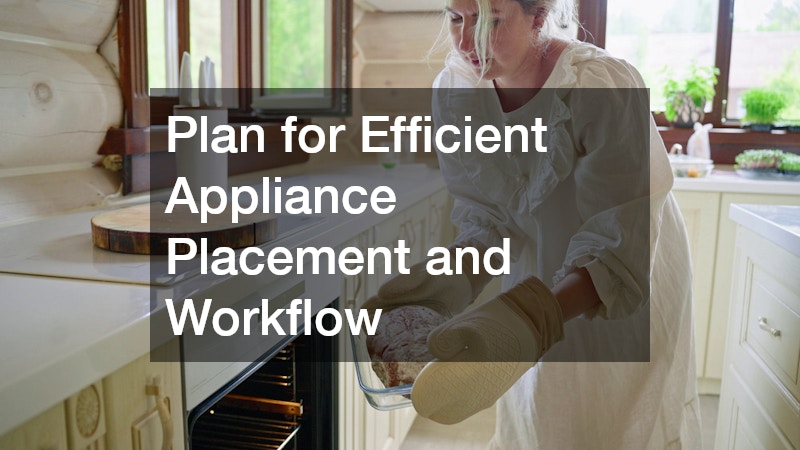
Appliance placement has a major impact on how smoothly your kitchen operates. Poor placement can disrupt workflow and make everyday tasks more difficult than they need to be.
Start by considering how you move through your kitchen while cooking. Appliances should be positioned in a way that supports a natural flow, reducing unnecessary steps and minimizing congestion.
Working with experienced kitchen contractors can help you design a layout that maximizes efficiency. They can also ensure that your upgrades align with your overall home renovation goals.
Built-in appliances, strategically placed storage, and thoughtful spacing can all contribute to a more functional kitchen.
By planning your layout carefully, you can create a space that feels intuitive and easy to use.
Budget Smartly and Avoid Unexpected Costs
Kitchen upgrades can vary widely in cost, so it’s important to plan your budget carefully. Without a clear financial plan, it’s easy for expenses to add up quickly, especially when unexpected issues arise during the project. Understanding where to invest and where to save can help you achieve the best results without overspending or sacrificing quality.
Start by prioritizing functionality over purely cosmetic upgrades. Focus on improvements that will have the biggest impact on your daily use, such as optimizing storage, improving layout, and upgrading work surfaces. These changes tend to deliver the most value over time. Working with experienced remodeling contractors can help you identify cost-effective solutions, suggest alternative materials, and avoid unnecessary expenses that don’t contribute to overall performance.
It’s also essential to build a realistic budget that includes more than just materials and labor. Permits, demolition, disposal, and temporary kitchen arrangements can all add to the total cost. On top of that, you should set aside a contingency fund—typically 10–20% of your total budget—to cover unexpected issues like hidden water damage or outdated wiring.
Reviewing your homeowners insurance policy may also be worthwhile before starting your project. Understanding what is covered during renovations can help you avoid financial surprises if something goes wrong.
By planning carefully, tracking expenses, and preparing for the unexpected, you can complete your kitchen upgrade with confidence while staying in control of your budget.
Protect Your Investment During and After the Upgrade

Upgrading your kitchen is a significant investment, and protecting it should be a priority from the moment planning begins through long after the project is complete. Taking the right steps during and after the upgrade can help preserve the quality of the work, prevent costly setbacks, and ensure you get the full value out of your improvements.
Homeowners insurance can play an important role in protecting your investment. Before construction starts, it’s wise to review your policy to understand what types of damage or incidents are covered during renovations. In some cases, you may need to notify your provider or temporarily adjust your coverage to account for the scope of the work. This extra step can provide peace of mind if unexpected issues arise during the project.
During the project itself, proper planning and coordination are essential. Clear communication with contractors, protecting surrounding areas, and using high-quality materials all contribute to a smoother process. For example, ensuring that your counter replacement is handled carefully—from measurement to installation—can prevent issues like improper fitting, damage to materials, or delays that increase costs.
After the work is complete, documentation becomes incredibly valuable. Keeping organized records of materials used, labor costs, warranties, and contractor information can make future repairs or upgrades much easier. These records can also be beneficial if you decide to sell your home, as they demonstrate the quality and value of the improvements.
By staying organized and proactive, you can safeguard your investment and maintain the functionality and appeal of your upgraded kitchen for years to come.
Common Mistakes to Avoid When Upgrading Your Kitchen
Even well-planned projects can run into problems if common mistakes are not avoided. Being aware of these pitfalls can help you achieve better results.
One of the biggest mistakes is prioritizing appearance over functionality. While stylish kitchen cabinets and premium materials like marble countertops can enhance your space, they should not come at the expense of usability.
Another common issue is poor planning. Failing to consider workflow, storage, and long-term needs can lead to a kitchen that looks good but doesn’t perform well.
Hiring the wrong professionals can also create problems. Working with experienced contractors ensures that your upgrades are completed correctly and efficiently.
By avoiding these mistakes, you can create a kitchen that is both beautiful and highly functional.
Creating a Kitchen That Works for Your Lifestyle
Upgrading your kitchen is an opportunity to create a space that truly supports your daily routine. By focusing on functionality, making thoughtful improvements, and working with the right professionals, you can transform your kitchen into one of the most efficient and enjoyable areas of your home.