
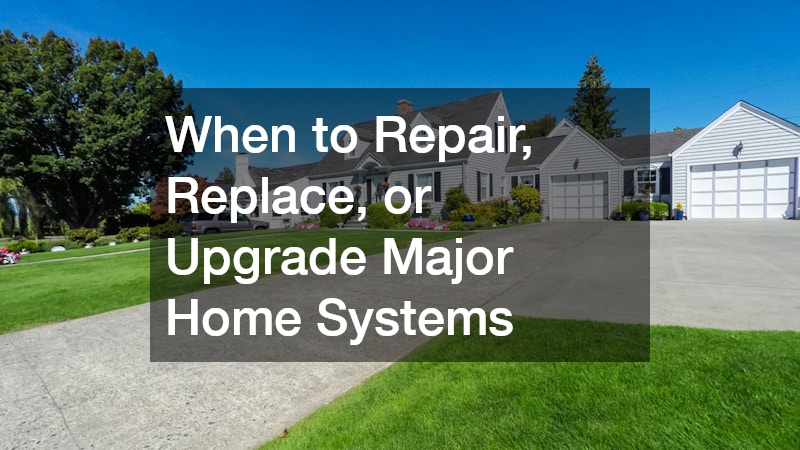
Owning a home means making ongoing decisions about maintenance, repairs, and improvements. One of the biggest challenges homeowners face is knowing whether a problem can be fixed with a simple repair, whether a complete replacement is necessary, or whether an upgrade will provide better long-term value. Waiting too long can lead to higher repair costs, while replacing a system too early may mean spending money that could have been saved.
The best approach is to evaluate each situation based on the system’s age, condition, repair history, efficiency, and expected lifespan. By understanding the warning signs and planning ahead, homeowners can avoid emergency repairs, improve their property’s value, and make informed investments that pay off over time.
Know the Difference Between a Simple Fix and a Major Investment

Many home systems experience normal wear over the years. Not every issue requires a complete replacement, but recognizing when a repair is no longer cost-effective can save thousands of dollars in the long run. Consulting an experienced roofing contractor or other qualified professional is often the best first step when evaluating significant problems.
Minor issues are usually good candidates for repair. These include isolated leaks, loose materials, worn seals, damaged flashing, or components that have simply reached the end of their individual lifespan rather than affecting the entire system. Addressing these smaller concerns promptly can prevent them from developing into much larger and more expensive problems. In many cases, routine maintenance and timely repairs can extend the life of a home system by several years, delaying the need for a significant financial investment.
On the other hand, recurring problems often indicate a larger issue that deserves closer attention. Frequent roof repair projects, repeated plumbing leaks, or electrical problems can become more expensive than replacing aging components altogether. If you find yourself scheduling repairs every few months or noticing that the same issue continues to return, it may be time to evaluate whether the underlying system has reached the end of its useful lifespan.
Ask yourself the following questions before deciding:
- How old is the system?
- Has it required multiple repairs during the past few years?
- Are repair costs approaching half the price of replacement?
- Will a repair extend its useful life for several more years?
- Is the problem isolated or widespread?
It is also important to think beyond the immediate repair bill. While a quick fix may cost less upfront, repeated service calls, rising utility bills, and ongoing maintenance expenses can quickly add up. Comparing the total cost of ownership over the next five to ten years often provides a clearer picture of which option offers the greatest value.
Professional inspections can uncover hidden concerns that homeowners may overlook. Moisture intrusion, structural deterioration, or outdated materials may not be visible from the surface but can significantly influence whether repair or replacement makes the most financial sense. Professionals can also identify safety hazards, code compliance issues, or damage that has spread to surrounding areas, allowing you to address multiple concerns before they worsen.
Another important consideration is your future plans. If you intend to remain in your home for many years, investing in higher-quality replacements or upgrades may provide greater long-term savings through lower maintenance costs and improved efficiency. Conversely, if you plan to sell in the near future, targeted repairs that improve the home’s condition and appearance may provide a better return on investment without the expense of a complete replacement. Evaluating your budget, long-term goals, and the overall condition of the system will help you make a decision that balances immediate needs with lasting value.
Evaluate Your Roof Before Small Problems Become Costly
Your roof serves as your home’s first line of defense against weather, making routine inspections one of the most valuable maintenance tasks. Even minor issues can quickly develop into expensive structural damage if ignored.
Scheduling regular roofing services helps identify developing problems before they require major reconstruction. Professional inspections after severe storms can also detect damage that may not be visible from the ground.
Watch for these warning signs:
- Missing or damaged shingles
- Curling or cracked roofing materials
- Granule loss around downspouts
- Water stains on ceilings
- Moss or algae growth
- Sagging roof sections
- Damaged flashing around vents and chimneys
Not every roofing issue requires a complete replacement. Small areas of wind damage or isolated leaks can often be repaired successfully if addressed promptly.
However, homeowners should consider replacement when:
- The roof has reached the end of its expected lifespan.
- Damage affects multiple areas.
- Leaks continue despite repeated repairs.
- Structural decking has deteriorated.
- Energy efficiency has noticeably declined.
An experienced roofing company can evaluate the entire roofing system rather than focusing only on visible damage. Their recommendations should include photographs, explanations of existing problems, and repair versus replacement options so you can make an informed decision.
Regular maintenance, gutter cleaning, and prompt repairs often extend roof life by several years while reducing the likelihood of unexpected emergencies.
Watch for Structural Warning Signs Around Your Home
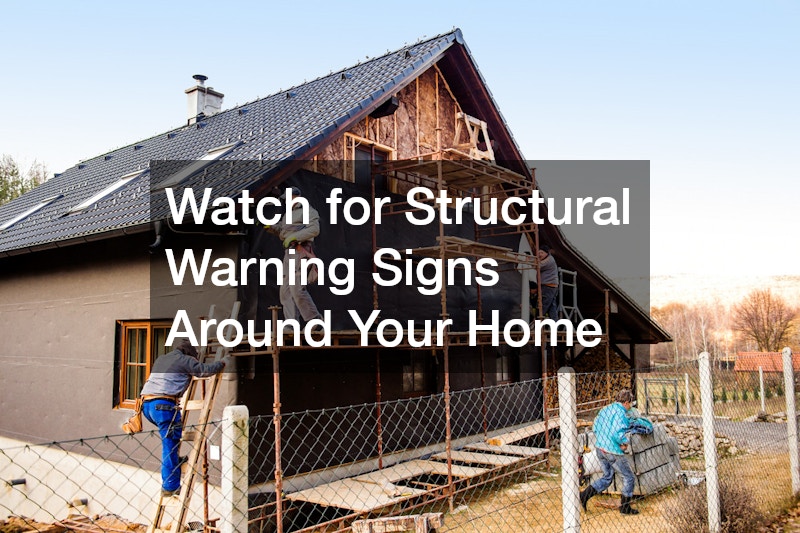
Your home’s foundation supports every other major system. Small structural issues can gradually affect walls, floors, windows, plumbing, and even roofing components if left unresolved.
Foundation repair is often less expensive when problems are identified early. Unfortunately, homeowners sometimes dismiss early warning signs until significant structural movement has occurred.
Pay close attention to:
- Stair-step cracks in brick or masonry
- Interior drywall cracks
- Doors that suddenly stick
- Windows that become difficult to open
- Uneven or sloping floors
- Gaps around trim
- Water pooling near the home’s perimeter
Many foundation issues result from moisture changes around the home. Poor drainage, clogged gutters, improper grading, and leaking plumbing lines can all contribute to soil movement beneath the structure.
Preventive maintenance includes:
- Directing downspouts away from the home
- Maintaining consistent soil moisture
- Repairing drainage problems
- Monitoring existing cracks for changes
- Scheduling professional evaluations when movement appears
Some hairline cracks remain stable for years, while others expand rapidly. Measuring cracks and photographing them periodically helps determine whether movement is continuing.
Early intervention usually minimizes repair costs while preventing additional damage throughout the home.
Decide Whether Restoration or Replacement Makes More Sense After Property Damage
Storms, floods, fires, and plumbing failures can create complicated repair decisions. In many cases, homeowners must choose between restoring damaged materials and replacing them entirely.
A professional damage restoration service evaluates not only visible damage but also hidden issues that could lead to mold growth, structural deterioration, or future safety concerns.
After major property damage, professionals typically inspect:
- Structural framing
- Insulation
- Drywall
- Flooring
- Electrical systems
- HVAC components
- Moisture levels
- Indoor air quality
Restoration may be appropriate when materials remain structurally sound and can be safely cleaned, dried, and repaired.
Replacement often becomes the better option when:
- Materials have lost structural integrity.
- Mold contamination is extensive.
- Fire damage has weakened building components.
- Water exposure has caused significant deterioration.
- Repairs would exceed replacement costs.
Homeowners should also document all damage carefully before beginning repairs. Taking photographs, keeping receipts, and communicating with insurance providers throughout the restoration process helps simplify claims and reduce delays.
Quick action is equally important. Moisture damage can worsen dramatically within the first twenty-four to forty-eight hours, increasing restoration costs and creating additional health concerns.
Improve Comfort and Efficiency Before Your Heating and Cooling System Fails
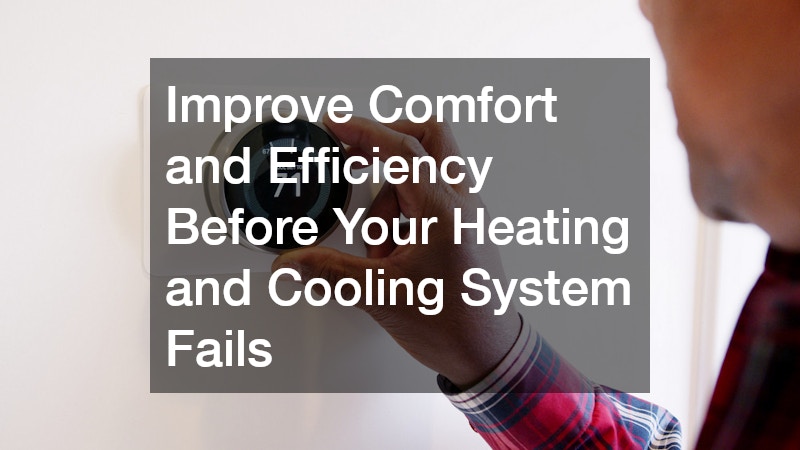
Heating and cooling equipment often gives homeowners several warning signs before complete failure occurs. Paying attention to these indicators allows for planned repairs or replacements rather than emergency service during extreme temperatures.
An experienced HVAC contractor can evaluate system performance and recommend practical solutions based on age, efficiency, and repair history.
Common warning signs include:
- Uneven room temperatures
- Rising utility bills
- Strange noises
- Frequent cycling
- Weak airflow
- Excess humidity
- Unusual odors
- Constant repairs
Routine HVAC Service remains one of the best investments homeowners can make. Preventive maintenance keeps equipment operating efficiently while identifying worn components before they fail unexpectedly.
Maintenance appointments commonly include:
- Cleaning coils
- Replacing filters
- Inspecting electrical connections
- Testing refrigerant levels
- Lubricating moving parts
- Checking thermostat operation
- Inspecting ductwork
- Verifying system performance
If repair costs continue increasing every year, replacing an aging system often becomes the more economical choice. Modern equipment generally operates more efficiently, lowering monthly energy bills while improving indoor comfort.
Planning replacement before complete failure also gives homeowners more time to compare equipment options instead of making rushed decisions during an emergency.
Know When an HVAC Upgrade Offers Greater Long-Term Value
Sometimes the existing system still functions, but upgrading provides meaningful improvements in efficiency, comfort, and operating costs.
Professional residential hvac services can evaluate whether newer technology offers worthwhile benefits based on your home’s size, insulation, climate, and current equipment.
Today’s systems include features such as:
- Variable-speed motors
- Smart thermostats
- Zoned temperature control
- Improved humidity management
- Higher energy efficiency ratings
- Quieter operation
- Better indoor air filtration
Before investing in an upgrade, consider several factors.
First, review your utility bills over the past few years. Rising energy costs combined with declining performance may indicate your current equipment is working harder than necessary.
Second, evaluate your comfort throughout the home. Rooms that remain consistently too warm or too cold may indicate the existing system no longer matches your home’s needs.
Third, consider future maintenance expenses. Older systems often require harder-to-find replacement parts, increasing repair costs and service delays.
Finally, think about resale value. Buyers frequently appreciate updated mechanical systems because they reduce immediate maintenance concerns after purchasing a home.
Combining HVAC improvements with insulation upgrades, air sealing, and duct improvements often produces even greater efficiency gains while extending equipment lifespan.
Coordinate Exterior Projects for Better Results

Major exterior improvements often affect one another. Planning projects strategically helps avoid duplicate labor, unnecessary expenses, and construction conflicts.
Many homeowners benefit from working with experienced exterior construction contractors who understand how multiple building systems interact during renovations.
For example, replacing siding before repairing drainage issues could expose new materials to continued moisture problems. Likewise, installing new landscaping before foundation work may require removing recently completed improvements.
When planning exterior renovations:
- Prioritize safety concerns first.
- Address structural problems before cosmetic upgrades.
- Complete drainage improvements before landscaping.
- Coordinate projects that require scaffolding.
- Schedule weather-sensitive work during favorable seasons.
- Create a realistic multi-year budget.
It is also helpful to maintain detailed records of inspections, repairs, warranties, and maintenance schedules. These documents simplify future planning while providing valuable information if you decide to sell your home.
Working with qualified professionals who communicate clearly throughout the project helps minimize surprises and ensures each improvement supports the next rather than creating additional complications.
Build a Long-Term Maintenance Strategy That Reduces Future Costs
Preventive maintenance remains one of the most effective ways to extend the lifespan of major home systems. Rather than reacting to emergencies, homeowners who follow a consistent maintenance schedule often experience fewer unexpected breakdowns and lower lifetime ownership costs.
An annual maintenance plan should include inspections of the roof, foundation, heating and cooling equipment, plumbing, electrical systems, gutters, windows, doors, and exterior drainage.
Consider organizing your maintenance calendar by season:
Spring
- Inspect roofing after winter weather.
- Clean gutters and downspouts.
- Check grading around the foundation.
- Service cooling equipment.
Summer
- Inspect exterior paint and siding.
- Trim vegetation away from the home.
- Seal exterior gaps.
- Monitor irrigation near the foundation.
Fall
- Prepare heating equipment.
- Clean gutters after leaves fall.
- Inspect weatherstripping.
- Check attic ventilation.
Winter
- Watch for ice dams.
- Monitor indoor humidity.
- Inspect pipes for freezing risks.
- Test smoke and carbon monoxide detectors.
Setting aside a dedicated home maintenance budget each year can also reduce financial stress when larger repairs become necessary. Even small monthly contributions create a reserve that helps cover unexpected expenses without disrupting other financial goals.
Homeowners who remain proactive instead of reactive often enjoy safer homes, lower repair costs, improved energy efficiency, and greater peace of mind.
Making informed decisions about major home systems requires balancing immediate costs with long-term value. While repairs are often the right solution for isolated problems, aging or repeatedly failing systems may benefit more from replacement or strategic upgrades.
Regular inspections, preventive maintenance, and thoughtful planning help homeowners avoid costly emergencies while protecting one of their most valuable investments. By addressing small issues early and working with qualified professionals when larger concerns arise, you can extend the life of your home’s essential systems and maintain a safer, more comfortable living environment for years to come.